
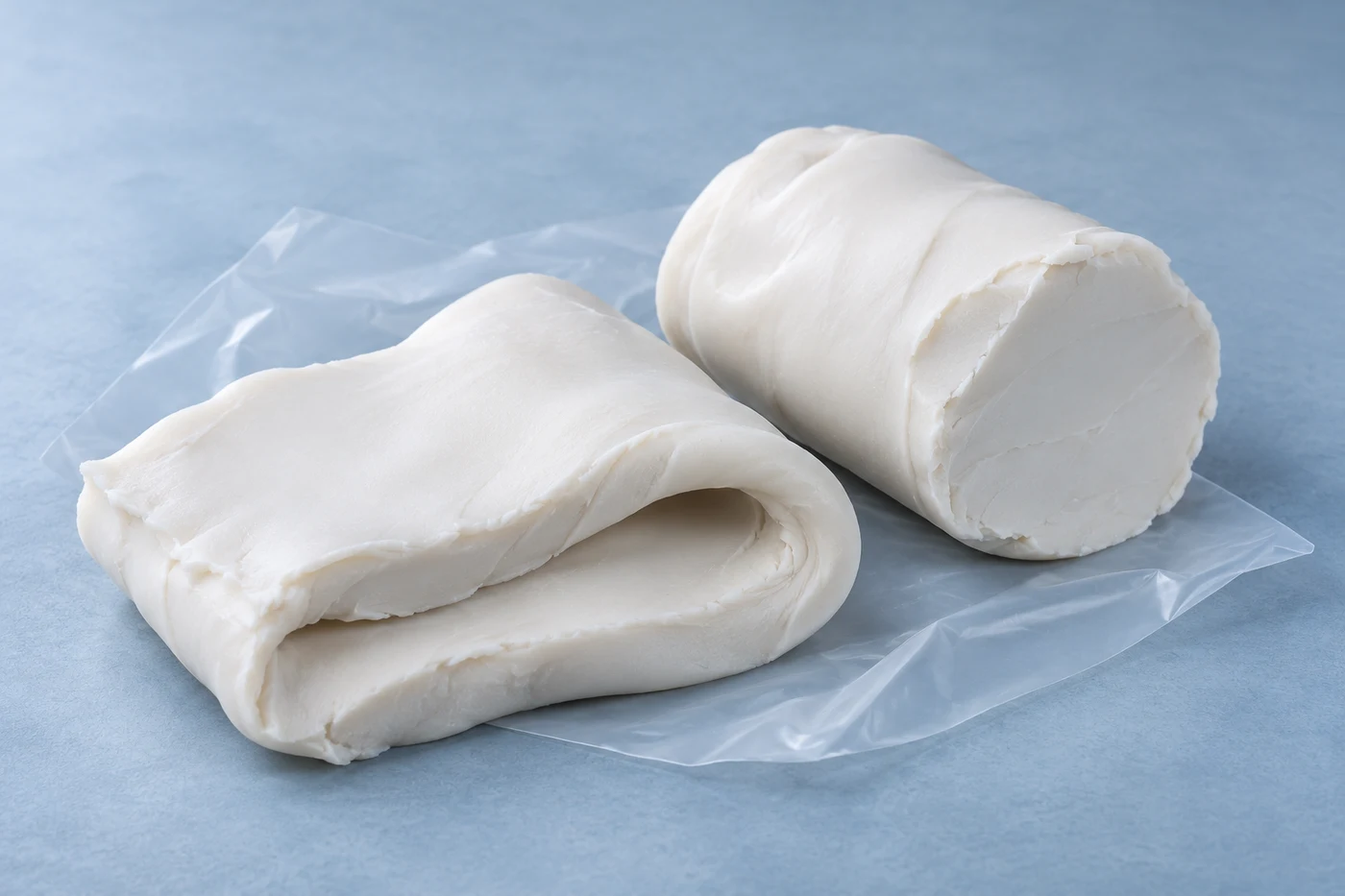
Describe the compound rather than its appearance
HTV is commonly used for high-temperature-vulcanizing silicone rubber. Product names and compound descriptions vary, so include the manufacturer’s own designation wherever possible. If your internal records use another term, include both descriptions instead of replacing the original label.
Color, shape, and softness do not provide a complete specification. A product code, batch label, or data sheet can explain more than a photograph alone.
Expired and surplus HTV inventory
Provide an inventory list with the grade, approximate quantity, labeled dates, and packaging condition. Describe whether the material is in original packaging, opened stock, partly processed material, or a combination. For an inventory containing several compounds, keep each grade identifiable in the list.
Wide-spec material and production leftovers
If the material does not meet an intended specification, describe the known difference and any existing quality information. Identify known additions or attached materials. If you cannot establish whether the material is cured, say that this detail is unknown.
Cured trimmings or rejected parts should be listed separately from uncured stock. The post-industrial rubber page explains how to describe a recurring cured scrap stream.
Details that support a review
- Original manufacturer, grade, and product description.
- Cured, uncured, partly processed, or unknown condition.
- Reason for availability and any known specification difference.
- Existing packaging and photos of labels and material.
- Amount available, recurring generation if applicable, and location.
Start with the records you already have. Material review can identify what additional information is needed before discussing collection.