A specialized recovery process
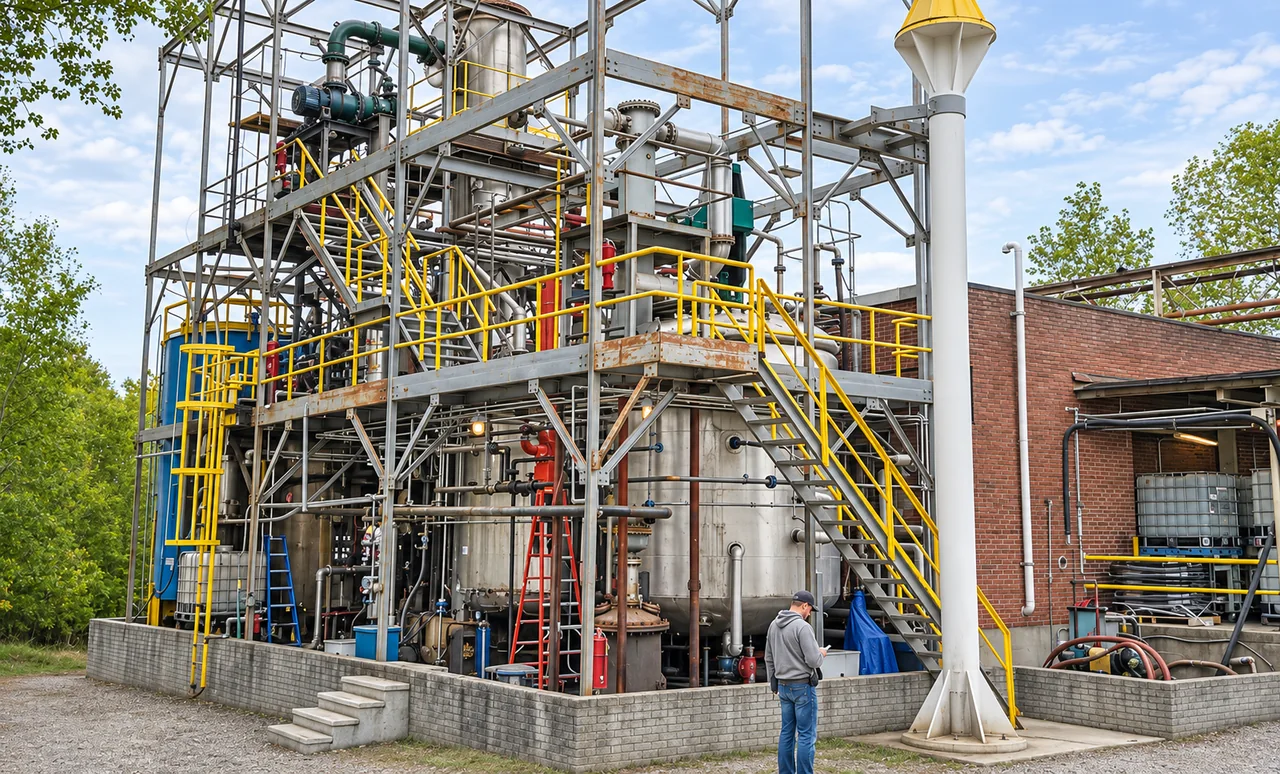
At ECO USA, silicone rubber recovery includes preparation and granulation, high-temperature chemical processing, filtration, and further processing toward recycled PDMS silicone oil. This overview follows ECO USA’s published facility process. The route for an individual material is confirmed after review.
Review the material and collection details
The first conversation connects the product information to the actual inventory. Identify what is available, why it is available, whether it has been used or mixed, and where it is stored. Those details establish the starting point for a specific discussion.
Prepare suitable rubber scrap
For the rubber recovery route, material is prepared and reduced in size before the later chemical stages. A material profile that identifies known attachments, contaminants, and grade differences helps explain the stream before it arrives.
Recover silicone through chemical processing
The facility’s process includes chemical breakdown and separation stages. Subsequent processing produces material used to manufacture recycled silicone oil. Do not assume that every stream follows identical preparation steps or produces the same output specifications.
Connect recovery to a future application
Recycled silicone oil is an industrial feedstock. Its use in a later product depends on the requirements of that application. A scrap collection inquiry is the starting point for recovery planning; it is not a promise about a specific final product or performance specification.
What the scrap supplier can contribute
The most useful preparation happens before any collection arrangement: keep product identity available, describe the current condition accurately, and state quantities with units. Use the preparation guide to organize a stream, then send the details for review.
For the facility’s own walkthrough, explore the silicone recycling process on ECO USA’s main website.