
Describe the LSR you have
Tell us whether the material is unused stock, an opened container, production leftovers, or an off-spec batch. If it falls outside a specification, describe the known difference and include the original grade. An internal stock description such as “silicone waste” leaves out details that may already be available on the label or data sheet.
Identify A and B components
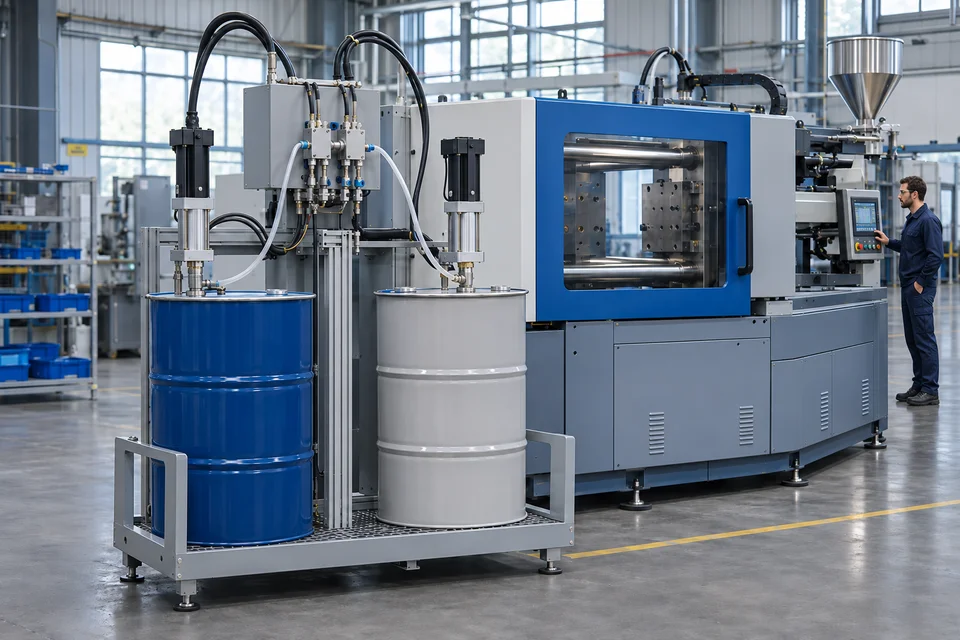
Where your product uses separate components, list each one and its available quantity. Explain whether you have a complete set, an unmatched component, mixed material, or cured residues. Keep the existing component labels with the material.
Do not describe all LSR-related scrap as uncured liquid. Rejected molded parts and cured runners belong in the cured rubber description, even when they originated from an LSR molding process.
Make an expired inventory easier to review
Include the product name, lot or batch identification, labeled shelf-life or expiration information, and whether the original containers are sealed or opened. Note known storage conditions or changes in appearance without guessing at properties that have not been tested.
For multiple grades, provide an inventory list with a separate line for each product and component. This gives the team a clearer picture than one combined weight for unidentified stock.
Information for your inquiry
- Manufacturer, product name, and grade.
- Component identification and quantities, with units.
- Expired, surplus, wide-spec, or other reason for availability.
- Sealed, opened, mixed, or partly cured condition.
- Current packaging, photographs, and collection location.
Ask for a review before combining batches or planning a shipment. A material-specific discussion establishes the next step.